
 Leave a comment
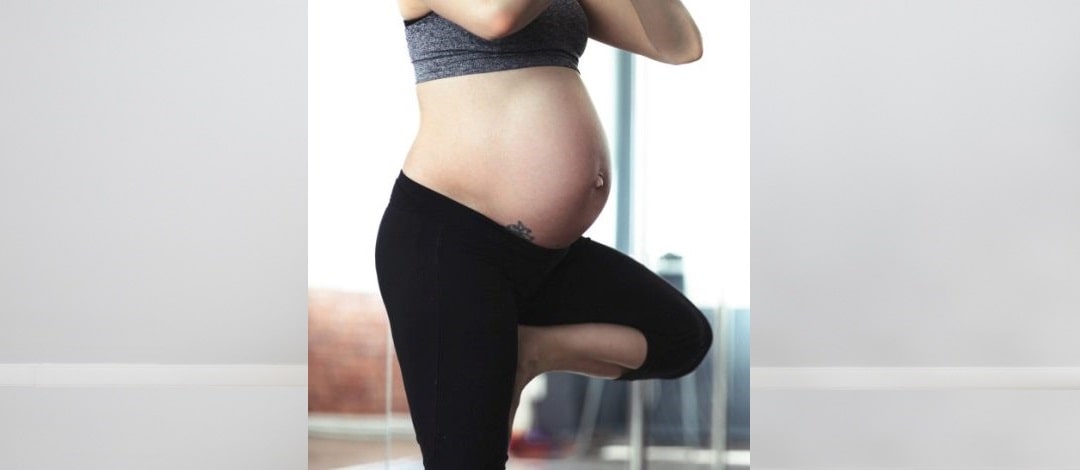
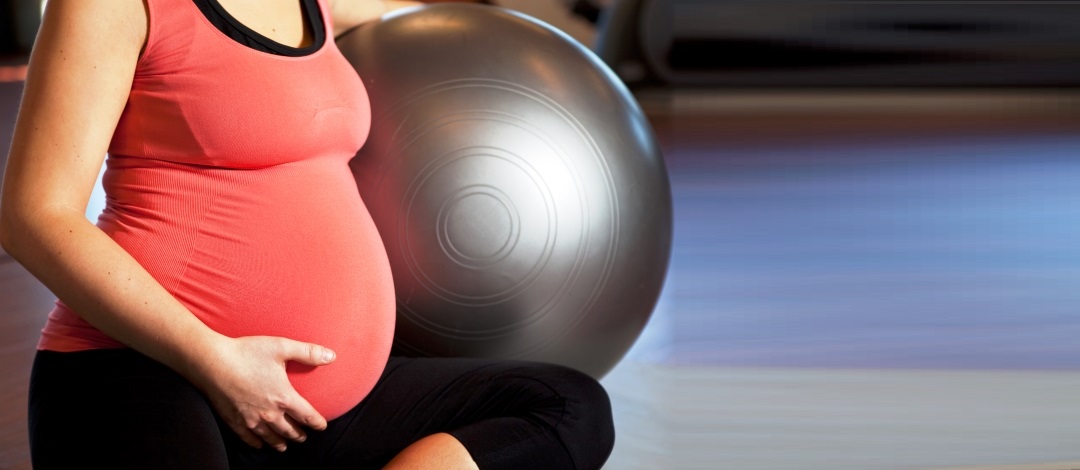
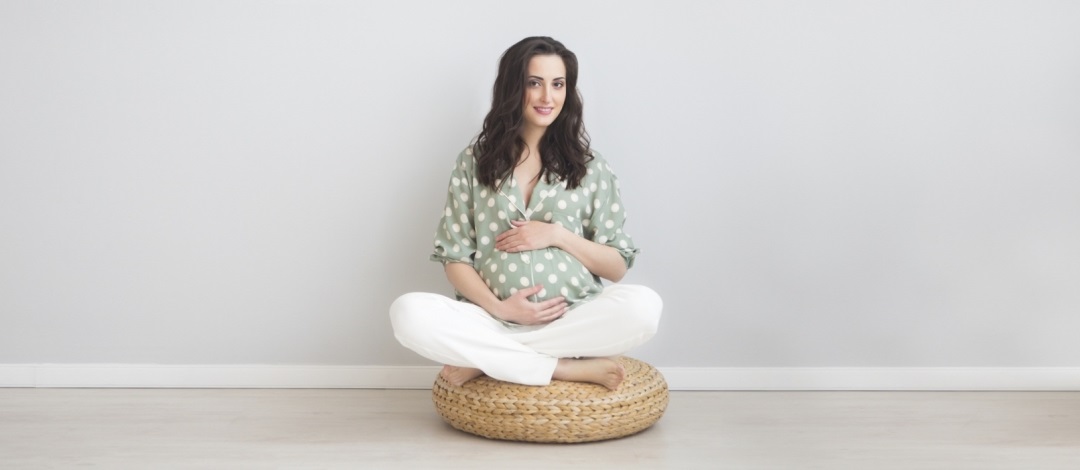
In this blog post, I introduce you to the changes your body will go through during pregnancy, and how you may modify your lifestyle and exercise habits to suit your pregnant condition.
Hormonal Changes: During the first trimester there are a lot of hormonal changes taking place in the body that may result in you feeling exhausted and nauseous. Pregnant women may feel more energetic and may want to exercise only in the second trimester once the hormones settle down and the body adapts to the changes.
An important hormone released during pregnancy is call Relaxin. It helps your body prepare for child birth by relaxing the ligaments thereby relaxing the muscles in the pelvis and the cervix. On the flip side, it makes your joints lax, muscles feel like jelly and increases the risk of injury.
Tips:
Modify your exercise intensity to meet your energy levels
Avoid jerky, bouncy and high impact movements
Change in Centre of Gravity: As you progress through the trimesters, your belly grows thereby shifting the centre of gravity. The additional stress placed on your pelvis and back may result in pain in the spine and leg. This shift also makes you less stable and increases the risk of falling.
Tips:
Understand what correct posture is and how one can maintain it.
Include safe 'out of balance' exercises in your regime.
Blood Circulation & Swelling: During pregnancy, standing in one place for long can result in blood pooling in your legs and feet. This reduces the amount of blood returning to the heart possibly causing low blood pressure and swelling in the feet. Hormones during pregnancy cause your blood vessels to relax and widen increasing blood supply to the baby. However, this reduces the amount of blood reaching the brain causing dizziness.
Tips:
Avoid suddenly standing up from a seated or lying down position
Avoid standing for long periods of time at a stretch
Avoid extra salt in food and food items that contain preservatives
Drink lots of water
Keep moving, stay active and if possible, walk 25mins – 30mins every day
Remember: Safety First. Work with an exercise professional specializing in training pregnant women. Check his or her qualifications and credentials to ensure you are putting yourself and your baby in safe hands. Ask your gynaecologists for suggestions on classes/ specialists you can go to.
If you are here, you may wish to check out my Pre-natal Exercise Program.
I am Raina
I love to connect and bond with
people over health and fitness - listen
to their stories and share some of my
own.